









How To Genre Blend To Make A Film Masterpiece
Discover how filmmakers combine different movie genres to craft unforgettable stories. Learn step-by-step how to blend tones, study Oscar-winning examples like Parasite, Get Out, and Pan’s Labyrinth, explore the tools you need, and see how Spectrum Film School empowers creators to master this art.
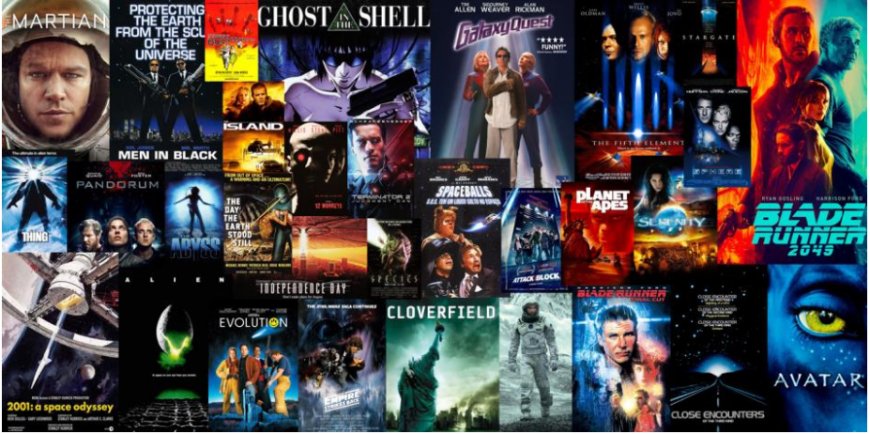
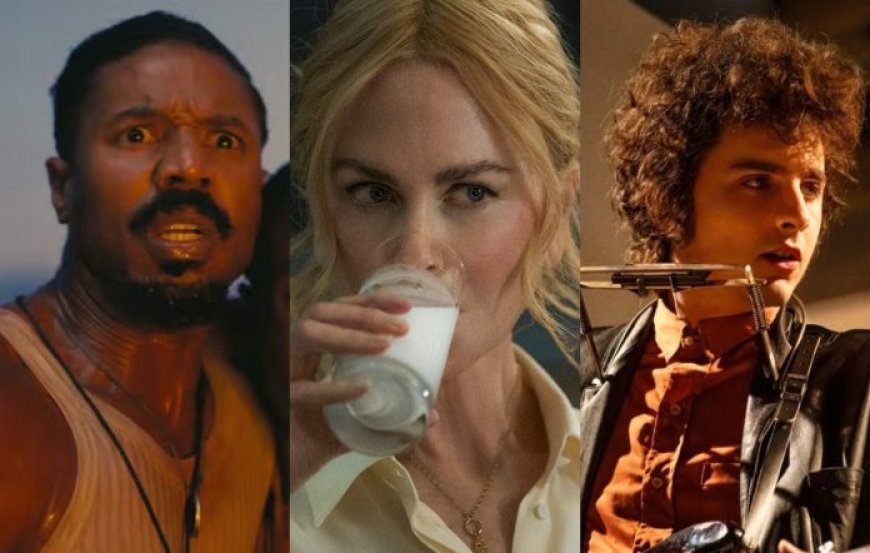
How to Blend Movie Genres & Make Films That Stick
Genres are recipes, blending them is cooking. When horror meets social satire, or sci-fi meets film noir, you get flavours audiences can’t forget. Here’s a playful, professional guide to doing it right.
What is genre-blending
Genre-blending combines conventions (tone, pacing, character types, plot devices) from two or more genres to make something that feels familiar and also surprising. Think: laughs while you’re terrified, or romance threaded inside a dystopia.
Step-by-step: How to blend genres (practical guide)
-
Pick the dominant tone and the counterpoint.
Decide which genre will carry the emotional weight (dominant) and which will twist expectations (counterpoint). For example, make the thriller the spine and the dark comedy the twist. -
Map the core conventions.
List 3 rules of each genre (visual, sound, narrative beats). Keep the rules you want; subvert or invert one or two. -
Build character first.
Give characters goals tied to the dominant genre, but let their choices produce moments of the other genre. That’s how surprises feel earned. -
Design the tone engine.
Use cinematography, score, and editing to cue the dominant genre; use dialogue and small beats to inject the other one. (E.g., tracking shots for thriller + wry, calm voiceover for comedy.) -
Write anchor scenes for genre collision.
Create 2–3 scenes where the genres visibly collide (a comic line in a tense standoff; a romantic confession in a wrecked safehouse). Those become memorable set-pieces. -
Balance pacing carefully.
Use structure beats (Act I/II/III) to alternate or escalate genre elements. Don’t let tonal shifts feel random. -
Test with an audience.
Show rough cuts to people who like one genre but not the other. Their reactions will tell you if the blend lands. -
Refine sound & mix.
Sound is a stealth weapon for tone. Let music/foley switch audience expectations in a single cut.
Movies that thrive at blending
Parasite (2019)
Director: Bong Joon-ho
Why it blends: dark social satire + thriller + tragicomedy it shifts from sly humor to edge-of-your-seat tension.
“A house, a family, and a plan that spirals into something far darker. Parasite exposes the gaps between the classes with wit and menace.”
Key cast:
Song Kang-ho
Lee Sun-kyun
Cho Yeo-jeong
Get Out (2017)
Why it blends: horror + social satire; it uses genre mechanics (horror reveals) to make a sharp racial commentary.
“A weekend with the girlfriend turns into a nightmare that’s equal parts terror and social mirror.”
Director:
Jordan Peele
Key cast:
Daniel Kaluuya
Allison Williams
Catherine Keener
Pan’s Labyrinth (2006)
Why it blends: fantasy + historical political drama a fairy tale told inside a brutal reality, each informing the other’s stakes.
“A child escapes into a labyrinth of myth as the real world grows crueler a fairy tale with teeth.” Wikipedia
Director:
Guillermo del Toro
Key cast:
Ivana Baquero
Sergi López
Maribel Verdú
Mad Max: Fury Road (2015)
Why it blends: action + dystopian worldbuilding + feminist subtext relentless set pieces that also serve strong character arcs.
“An adrenaline engine of a chase where survival and revolution collide in a desert of chrome
Director:
George Miller
Key cast:
Tom Hardy
Charlize Theron
Nicholas Hoult
Other great examples worth mentioning: Shaun of the Dead (zom-com), Birdman (black comedy + drama + meta-surreal), The Shape of Water (fantasy romance + Cold War drama), Who Framed Roger Rabbit (animation + noir).)
Which of these won Oscars?
-
Parasite - Best Picture, Best Director, Best Original Screenplay, Best International Feature Film (92nd Academy Awards, 2020).
-
Get Out - Jordan Peele won Best Original Screenplay (2018).
-
Pan’s Labyrinth- won three Academy Awards (Cinematography, Art Direction, Makeup).
-
Mad Max: Fury Road - won six Academy Awards (technical categories) at the 2016 ceremony.
Tools filmmakers need for genre-blending (practical kit)
Pre-production & writing
-
Beat/script software: Final Draft or WriterDuet.
-
Storyboarding: Storyboarder or FrameForge.
Production
-
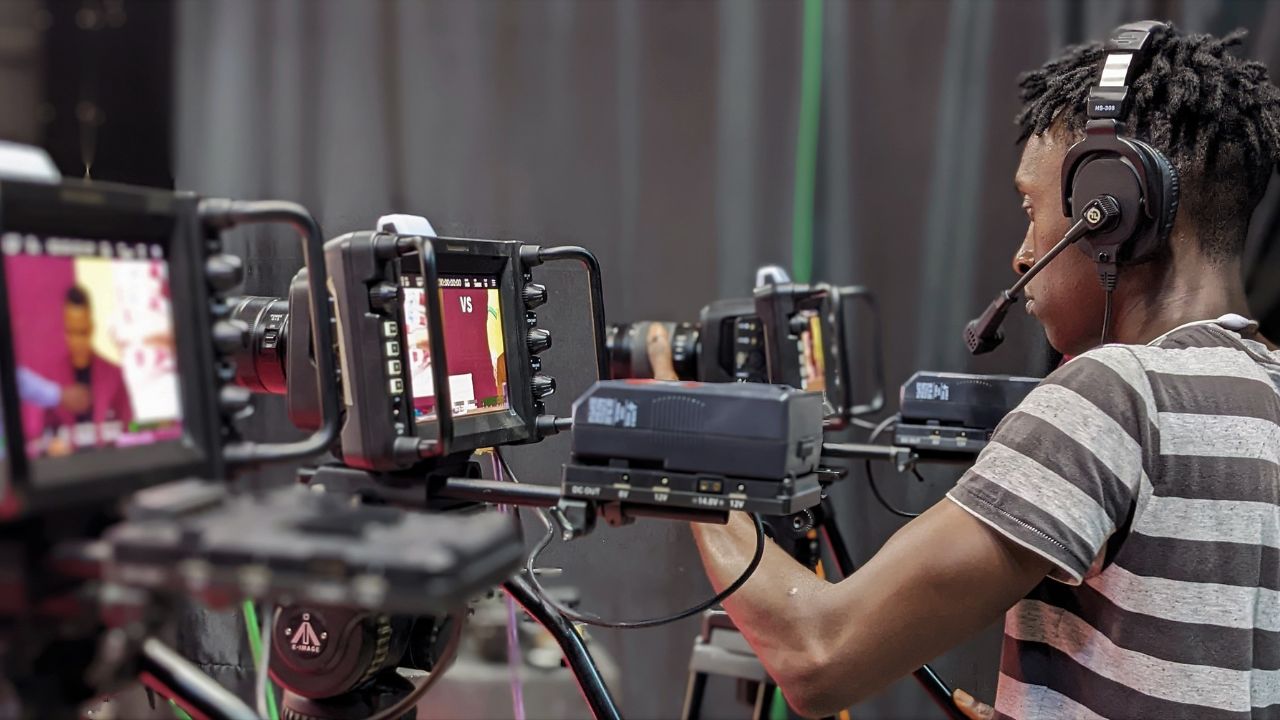
Cameras: a versatile cinema camera (e.g., ARRI Alexa Mini or a midrange mirrorless/cinema camera depending on budget).
-
Lenses: prime set (35, 50, 85) + a wide and a telephoto to change visual grammar between genres.
-
Lighting: LED panels with softboxes, Fresnels, practicals to switch between moody and bright.
-
Sound: boom + lavalier + a high-quality recorder (Zoom/Fo_rever). Sound shapes tone.
Post
-
Editing: Premiere Pro, Avid, or DaVinci Resolve (excellent color and editing).
-
Sound design: Pro Tools + libraries (Soundly) small tonal cues in sound design sell genre shifts.
-
VFX/compositing: After Effects or Nuke for stylistic transitions.
-
Colour grading: DaVinci Resolve to dial distinct palette choices for each “genre” moment.
Other
-
Collaboration: Shotgrid/Notion for production workflow.
-
Festival submission management: FilmFreeway (create a profile and upload screener/presskit). FilmFreeway
How to improve your genre-blended films (creative tips)
-
Use micro-shifts: Small tonal flips inside a scene (sound cue, line of dialogue) are more effective than blunt genre switches.
-
Lean on character stakes: If the audience cares about the character, tonal swings feel meaningful.
-
Control audience expectation: Establish rules early - then break one of them later to create surprise.
-
Put the blend in service of theme: Genre mashups that serve a clear theme (class, identity, survival) feel coherent.
-
Iterate in edit: Often you’ll find the right tone in the cutting room; try pacing and music swaps.
Where to submit & how to get noticed
-
FilmFreeway - the industry’s central submission marketplace for festivals worldwide (create a project, upload screener, poster, presskit, and submit to festivals). FilmFreeway
-
Key festivals to target (depending on film and goals): Sundance, Cannes (selection/market rules differ), Toronto International Film Festival (TIFF), Venice, Berlinale, Tribeca. For genre films, genre-specific festivals (Fantastic Fest, Sitges) are excellent.
-
Regional / African routes: Africa Movie Academy Awards, Durban International Film Festival, Zanzibar International Film Festival - also check local markets for premieres. (Tip: submit early and have subtitles and press materials ready.)
-
Distribution & sales markets: Consider the Cannes Market, AFM, and virtual markets - FilmFreeway and festival acceptance can attract sales agents.
Spectrum Film School is the place to be to learn more about genre blending. There is more to this topic and we cover in dept with our units.
-
Courses & modules: We Offer a short course “Genre-Blending for Filmmakers” that covers theory + a practical micro-project (2-4 minute film).
-
Workshops: We run hands-on workshops: writing collisions, tone-mapping, and sound design labs.
-
Production labs: Our school-run micro-budget productions where students rotate roles - practice blending under mentorship.
-
Festivals & showcases: We help our students submit via FilmFreeway.
-
Backlinking & PR: We Publish case studies on the school blog, link to authoritative film pages (Oscars/Wikipedia/trailers), and use them as festival press materials.