













Why Film Education Matters More Than Ever in the Age of AI, Streaming & Global Competition
Film education is more critical than ever in today’s AI-driven, streaming-dominated industry. Learn why mastering cinematography, sound design, storytelling, festival strategy, and digital distribution is essential for global filmmaking success and how Spectrum Film School prepares you to compete worldwide.
The film industry has changed more in the last decade than it did in the previous fifty years.
AI tools are accelerating workflows.
Global auditions are happening over Zoom.
Streaming platforms demand cinematic-quality content.
Audiences expect Hollywood-level production even from independent creators.
The truth? Talent alone is no longer enough. If you want to act, direct, shoot, edit, or produce at an international level, you must understand both craft and industry mechanics. That’s why film education matters now more than ever.
The Industry Is No Longer Local
A Kenyan actor can audition for a Netflix series in London. A Nairobi-based editor can cut a film premiering at Sundance. A student filmmaker can submit directly to Cannes via platforms like FilmFreeway. Streaming giants like Netflix, Amazon Prime video, and Disney+ have created a global marketplace where content competes across borders instantly. But competing globally requires training at a global standard.
AI Has Raised the Bar- Not Lowered It
Tools powered by artificial intelligence now assist with:
-
Color grading
-
Sound cleanup
-
Editing workflows
Software like DaVinci Resolve integrates AI-assisted color grading and audio tools.
Editing platforms like Adobe Premiere Pro continue to evolve with automation features. But here’s the reality: AI enhances skill it does not replace it.
Without understanding cinematography, pacing, storytelling structure, and emotional tone, tools become shortcuts instead of creative amplifiers.
Education teaches you why not just how.
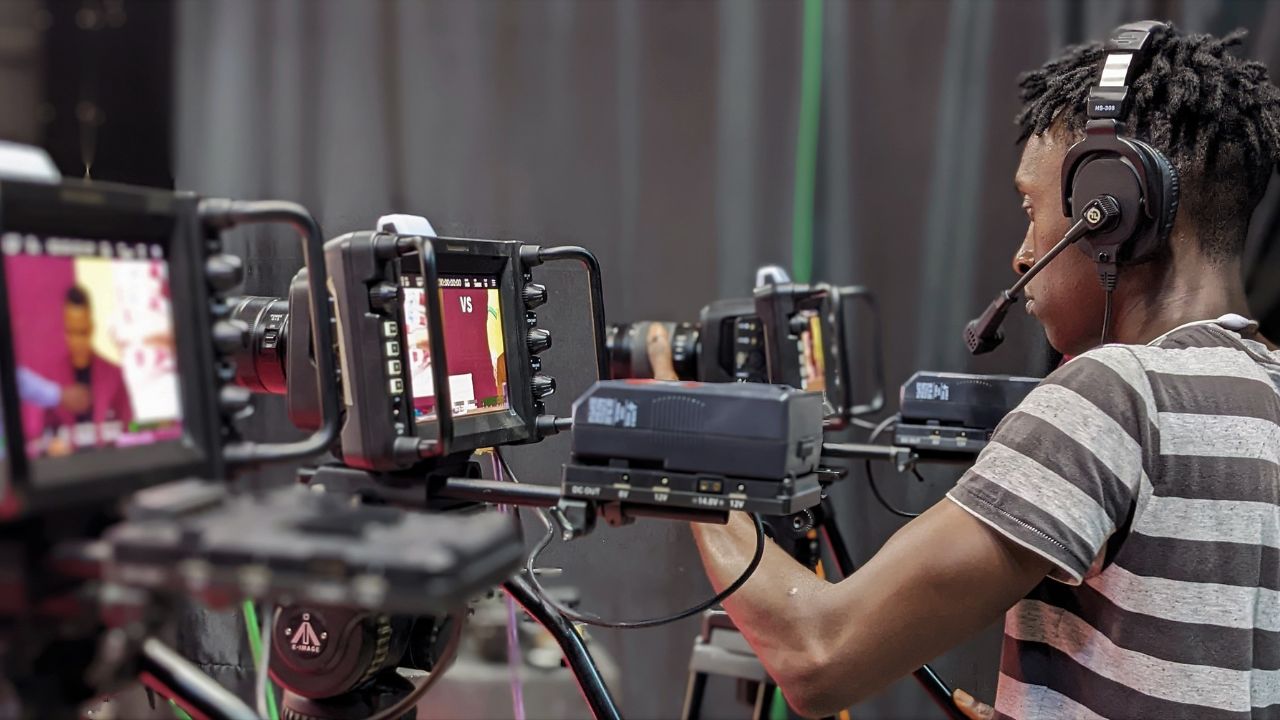
Cinematography: The Language of Visual Power
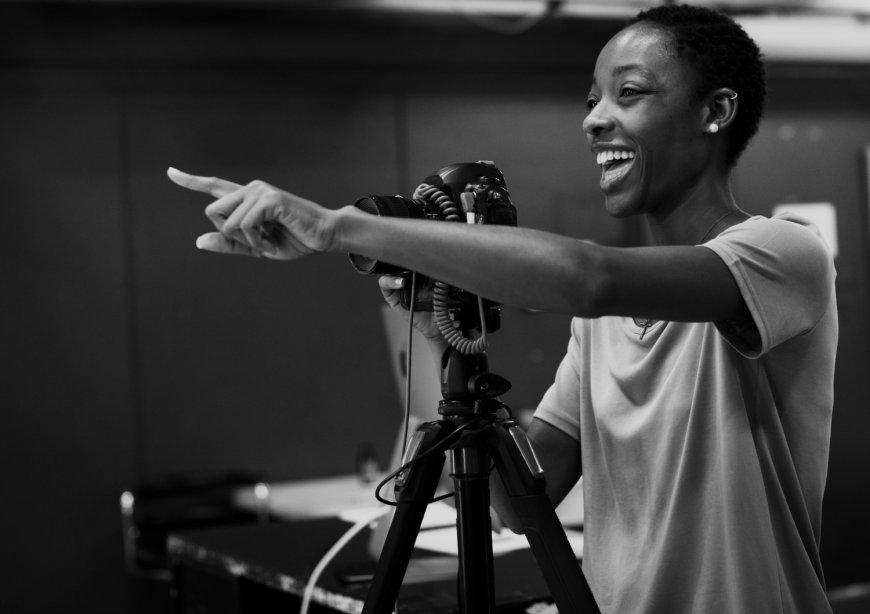
A camera is not just a recording device.
It’s perspective.
It’s emotion.
It’s storytelling.
Understanding framing, lighting ratios, lens choices, and movement separates a casual creator from a cinematic storyteller.
Professional training teaches:
-
Visual grammar
-
Blocking and composition
-
Motivated lighting
-
Camera psychology
These are not things you guess. They are studied, practiced, refined.
Sound Design: The Invisible Emotion
Audiences forgive imperfect visuals. They do not forgive bad sound.
Sound design shapes tension, romance, fear, intimacy, and impact. Films that win awards often excel in sound craftsmanship recognized by institutions like the Academy Awards.
Understanding:
-
Foley
-
Dialogue mixing
-
Score integration
-
Ambient world-building
…transforms scenes from flat to immersive.
Sound is storytelling.
Genre Conventions & Story Structure
Whether you’re crafting horror, romance, thriller, or comedy you must understand structure.
Why does tension build in Act Two?
Why does emotional payoff matter in Act Three?
Why do certain beats land with audiences?
Films that master genre like Parasite understand conventions before subverting them.
Education teaches you how to:
-
Analyze scripts
-
Identify thematic layers
-
Structure emotional arcs
-
Blend genres intelligently
Without structure, creativity feels random.
With structure, creativity feels powerful.
Budgeting & Production Management
A brilliant script means nothing without execution.
Film education teaches:
-
Budget breakdowns
-
Scheduling
-
Department coordination
-
Crew hierarchy
-
Legal & production paperwork
Understanding production logistics separates dreamers from professionals.
The industry respects reliability.
Film Festival Strategy
Making a film is step one.
Getting it seen is step two.
Understanding premiere status rules, programming categories, and submission timing is critical when targeting festivals like:
-
Sundance Film Festival
-
Cannes Film Festival
-
Toronto International Film Festival
Strategic submission planning can shape the entire life of a film.
This is knowledge most self-taught creators learn too late.
Digital Distribution Pathways
Today’s filmmakers must understand:
-
Streaming licensing
-
Video-on-demand platforms
-
Aggregators
-
Direct digital releases
-
Audience targeting
The modern filmmaker is also a strategist.
Education connects creativity with business intelligence.
Why Spectrum Film School Matters
In a rapidly evolving industry, learning from scattered online tutorials is not enough.
Spectrum Film School integrates:
Cinematography and visual language
Sound design mastery
Genre and narrative structure
Budgeting and production management
Festival strategy
Digital distribution knowledge
Industry-ready portfolio development
Students don’t just watch films. They make them. They collaborate across departments. They work with real equipment. They learn global standards. They prepare for international markets. Because the future of African cinema will not be built by accident it will be built by preparation.
The Competitive Era Has Begun
AI tools.
Streaming standards.
Global auditions.
International competition.
The industry is no longer forgiving. It rewards skill, discipline, and professionalism. The question is not whether you are talented. The question is whether you are trained.
Ready to Compete at a Global Level?
If you want to act, direct, shoot, edit, or produce at international standards you need education that prepares you for the real world.
Spectrum Film School equips you with the craft, the mindset, and the strategy to succeed locally and globally.
Start your journey today: Learn. Create. Lead.